Eating Healthy During Pregnancy
What should you eat to support a healthy pregnancy?
05/08/2026
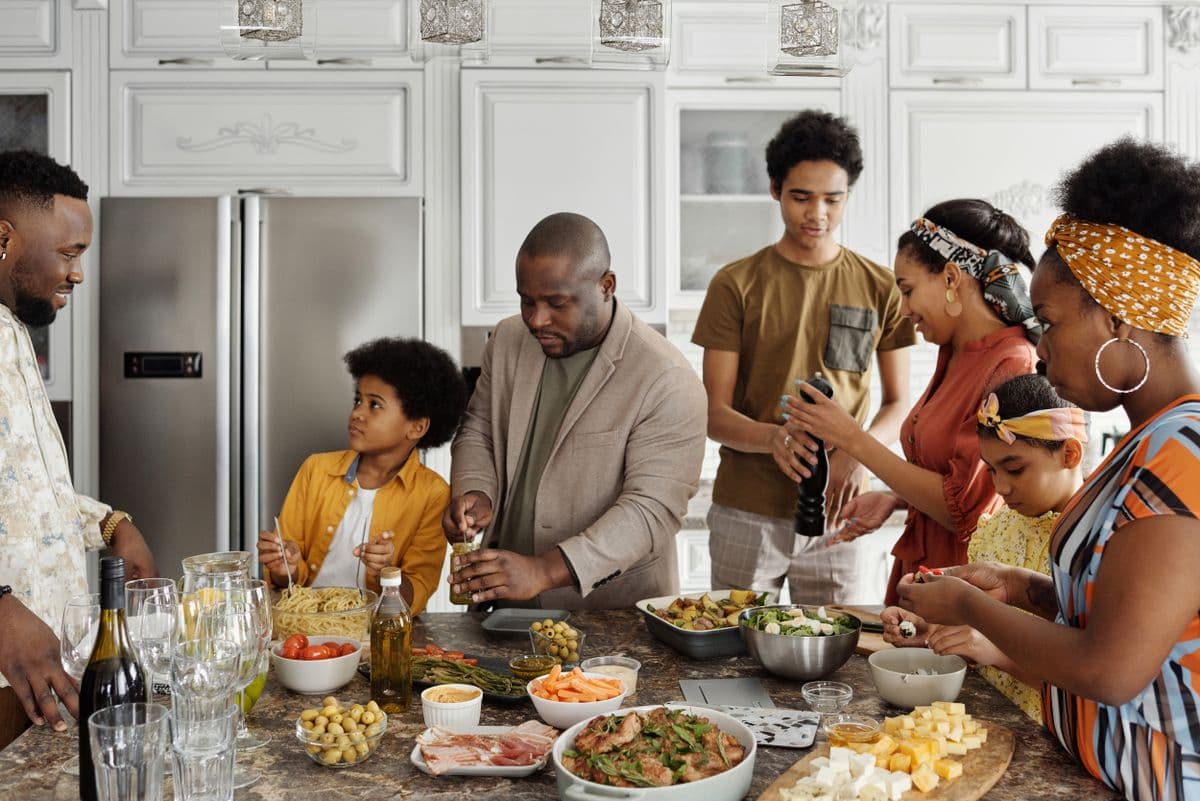
Why Nutrition Matters During Pregnancy
What you eat during pregnancy directly supports your baby's growth and development. A varied diet with enough energy, protein, iron, folate, calcium, and other key nutrients reduces the risk of complications, helps your baby grow well, and keeps you strong through pregnancy and delivery.
You do not need to eat for two — but the quality and variety of your food matters greatly. Small improvements to what you eat each day add up to a significant difference for your baby.
Iron-Rich Foods
Iron supports the production of blood for both you and your baby. Many women develop anaemia (low blood) during pregnancy, which causes fatigue, dizziness, and — if severe — can lead to complications during delivery.
Eat iron-rich foods daily: dried beans (ibishyimbo), lentils, dark leafy vegetables such as isombe (cassava leaves), spinach, and amaranth, as well as eggs and animal meat or offal when available. Pairing these foods with something rich in vitamin C — tomatoes, guava, citrus fruit — helps your body absorb iron more efficiently.
Folate and Folic Acid
Folic acid (folate) is essential in the very early weeks of pregnancy for preventing certain serious birth defects affecting the brain and spine. It is found naturally in dark green vegetables, beans, and fortified foods.
Your health provider will likely prescribe a folic acid supplement, particularly in the first trimester. Take your supplements as directed and continue any other vitamins your provider prescribes throughout the pregnancy. Do not stop without advice.
Protein and Energy Foods
Your body needs extra protein during pregnancy to build your baby's muscles, organs, and tissues. Good protein sources widely available in Rwanda include beans (ibishyimbo), lentils, eggs, groundnuts, milk, and soya products.
Complex carbohydrates such as sweet potatoes (karoti), cassava (imyumbati), plantain (igitoke), sorghum, and whole-grain foods provide sustained energy throughout the day and should form the base of your meals alongside vegetables.
Foods and Drinks to Avoid
Avoid alcohol completely during pregnancy — there is no safe amount at any stage. Limit caffeine found in tea, coffee, and sodas. Avoid raw or undercooked meat, eggs, and fish, and avoid unpasteurised milk, which can carry bacteria harmful to your baby.
Wash all vegetables and fruits thoroughly before eating. If you are unsure about a specific food or drink, ask your CHW or health provider before consuming it.
Staying Hydrated
Drinking enough clean water every day supports your increasing blood volume, helps prevent urinary infections (which are common in pregnancy), reduces constipation, and helps regulate your body temperature.
Aim to drink clean water regularly throughout the day. Herbal teas such as ginger tea can also help, especially if you experience nausea. Avoid sugary sodas and drinks. If clean water is difficult to access in your area, speak to your CHW about safe water options near you.
Related Articles

Preparing for Labor and Childbirth
What to expect as you near your due date — from early signs of labor to preparing for delivery at your health facility.
Read articles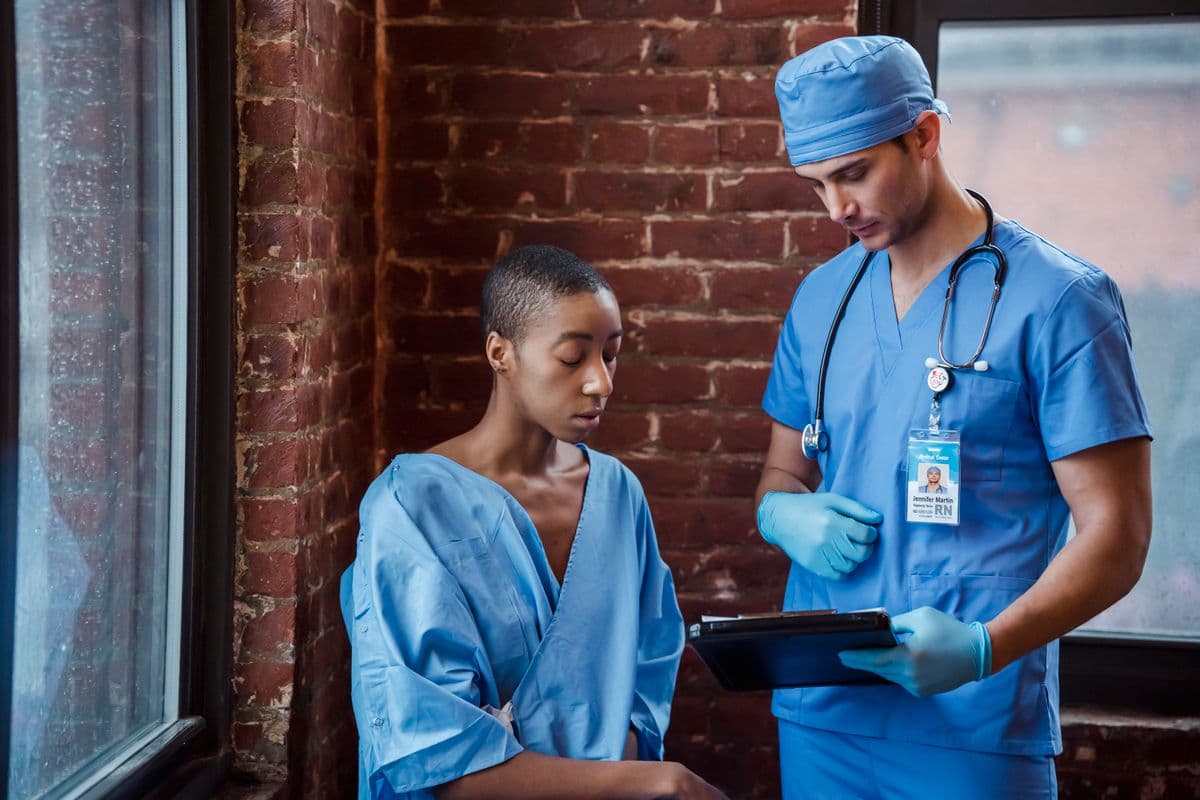
Understanding Warning Signs During Pregnancy
Know which symptoms require urgent attention during pregnancy and how to quickly reach your nearest health facility.
Read articles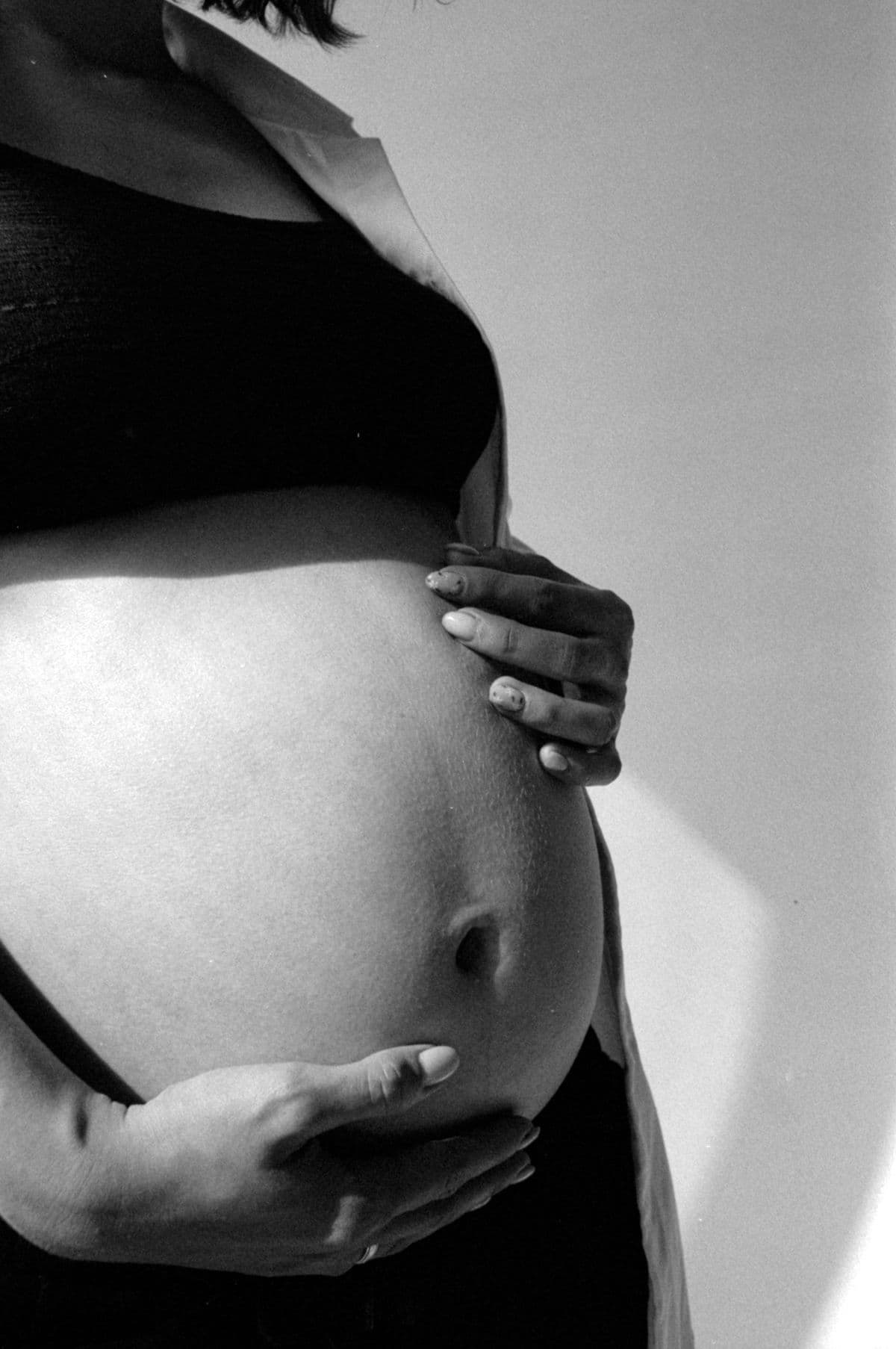
Managing Common Pregnancy Symptoms
Common pregnancy discomforts explained, with guidance on when a symptom needs professional assessment.
Read articles