Understanding Warning Signs During Pregnancy
Which symptoms during pregnancy need urgent attention?
05/08/2026
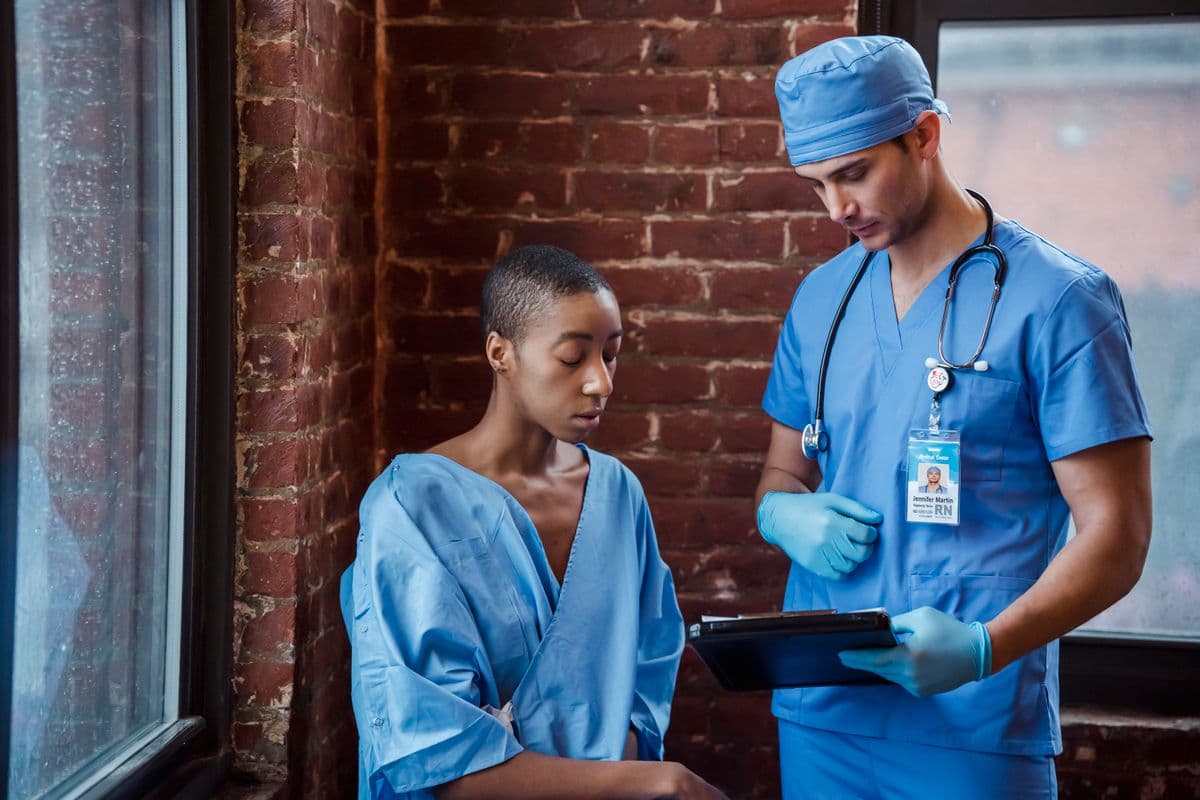
Why Warning Signs Matter
Most pregnancies progress well with regular antenatal care (ANC) visits. But some symptoms signal that something may need urgent medical attention. Knowing these signs and acting quickly can protect both your life and your baby's.
If you are unsure whether a symptom is serious, go to your nearest health facility — it is always better to be checked and reassured than to wait and risk a complication. Your Community Health Worker (Umujyanama w'ubuzima) supports your routine care, but any emergency sign requires a doctor or nurse.
Signs That Need Urgent Care
Heavy vaginal bleeding at any stage of pregnancy is an emergency. Go to the nearest hospital or health facility immediately — do not wait, do not try home remedies, and do not wait for your CHW. Call for transport and leave right away.
Severe headache, especially combined with blurred or changed vision, can be a sign of preeclampsia — a serious condition that requires medical treatment. Significant swelling of the hands, face, or feet alongside headache or vision changes is another warning sign. High blood pressure during pregnancy is a serious concern and must be monitored by a health provider.
Changes in Fetal Movement
From around 28 weeks of pregnancy, you should feel your baby moving regularly every day. If your baby moves significantly less than usual — or stops moving entirely — go to your nearest health facility the same day. Do not wait until your next scheduled visit and do not wait for your CHW — this requires assessment by a midwife or doctor. Counting your baby's movements each day is a simple but important habit that can help you detect a problem early.
Fever, Pain, and Other Warning Signs
A high fever during pregnancy can harm your baby and may indicate infection. Seek care if you feel very hot or have chills. Severe pain in the abdomen, lower back, or pelvis that does not ease with rest should be evaluated promptly.
Painful or burning urination may mean a urinary tract infection, which is common in pregnancy and easily treated — but must not be left untreated, as it can spread to the kidneys and cause serious complications.
Postpartum Warning Signs
Warning signs do not end at birth. In the days and weeks after delivery, watch for heavy bleeding (soaking more than one pad per hour), fever, foul-smelling discharge, or severe headache.
If you had a caesarean section, watch for redness, discharge, or opening at the wound site. A leg that becomes red, swollen, and painful may indicate a blood clot. Your postnatal check-ups at 24–48 hours, 7 days, and 6 weeks after birth are important opportunities to catch any problem early.
Related Articles

Preparing for Labor and Childbirth
What to expect as you near your due date — from early signs of labor to preparing for delivery at your health facility.
Read articles
Managing Common Pregnancy Symptoms
Common pregnancy discomforts explained, with guidance on when a symptom needs professional assessment.
Read articles
Eating Healthy During Pregnancy
Nutrition guidance aligned with Rwanda Ministry of Health recommendations to support you and your baby throughout pregnancy.
Read articles