Supporting Baby's Healthy Growth
How can you support your baby's healthy development in the first months of life?
05/08/2026
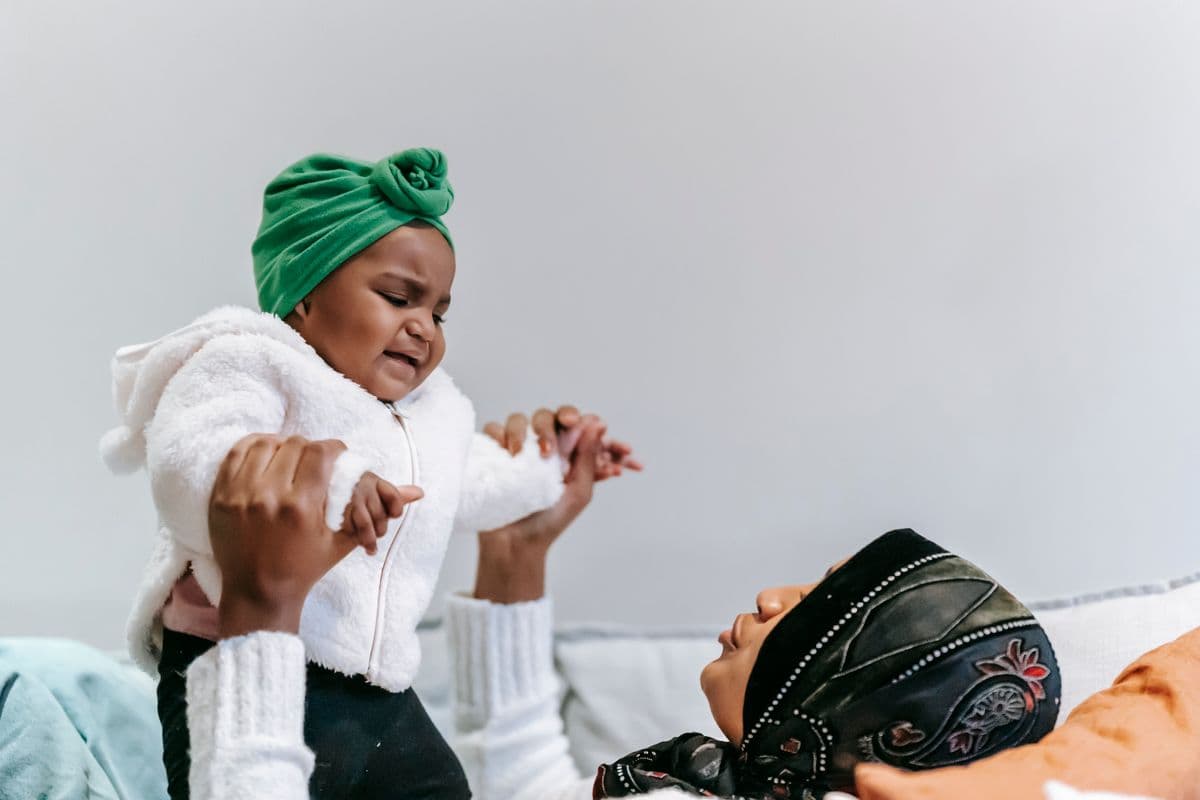
Breastfeeding as the Foundation
Exclusive breastfeeding — giving your baby only breast milk, with no water, formula, or solid food — for the first six months of life is one of the most important things you can do for your baby's health and development.
Breast milk provides all the nutrition your baby needs, protects against diarrhoea and respiratory infections, and supports healthy brain development. If you experience any difficulty breastfeeding, contact your CHW or health facility for support as early as possible — early help makes a significant difference.
Growth Monitoring
Your baby's weight, length, and head circumference should be measured at every health facility visit and recorded in their child health card (carnet de santé). These measurements show whether your baby is growing as expected for their age.
If your baby's weight gain slows, stops, or drops, this needs to be assessed quickly — early action prevents malnutrition from becoming a serious problem. Bring your baby's health card to every visit and ask your CHW or provider to explain the growth chart to you.
Immunisation Schedule
Vaccines protect your baby from serious and potentially fatal diseases including measles, polio, tuberculosis, hepatitis B, and others. Rwanda has a national immunisation programme that is free of charge.
Your baby will receive a series of vaccines starting at birth and continuing through their first year of life and beyond. Follow the schedule recorded in your child's health card and bring your baby for every appointment on time. If you miss an appointment, speak to your CHW — catch-up vaccination is possible and important.
Developmental Milestones
In the first months of life, watch for your baby beginning to track movement with their eyes, responding to your voice with calming or alerting, smiling at you by around 6–8 weeks, and gradually gaining strength to hold their head up.
Every baby develops at a slightly different pace. However, if your baby seems to show no interest in faces or sounds, stops doing things they could do before, or if you have any concern about their development, discuss this with a health provider at your next visit — or contact your CHW sooner.
Safe Sleep and Daily Newborn Care
Place your baby on their back to sleep, on a firm, flat surface, without pillows or soft items around them. Keep your baby warm but not overheated — a good guide is that your baby should feel comfortable to your touch, not sweaty or cold.
Wash your hands before every feeding and nappy change. Bathing two to three times a week is enough for newborns — daily bathing can dry out their sensitive skin. For the umbilical cord stump, keep it clean and dry and allow it to fall off naturally. Do not apply traditional remedies or cover it tightly. Report any redness, swelling, or discharge around the stump to your CHW.
Related Articles

Preparing for Labor and Childbirth
What to expect as you near your due date — from early signs of labor to preparing for delivery at your health facility.
Read articles
Understanding Warning Signs During Pregnancy
Know which symptoms require urgent attention during pregnancy and how to quickly reach your nearest health facility.
Read articles
Managing Common Pregnancy Symptoms
Common pregnancy discomforts explained, with guidance on when a symptom needs professional assessment.
Read articles