What Changes Should You Expect in Your Body This Week?
What physical and emotional changes are normal during pregnancy — and which ones need medical attention?
18/08/2026
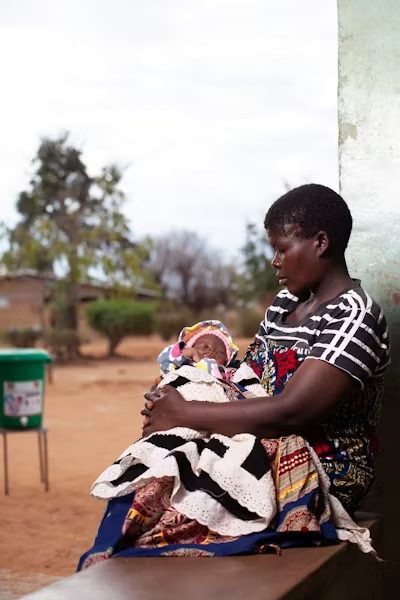
First Trimester Body Changes (Weeks 1–13)
The first trimester brings significant physical changes driven by rapidly rising pregnancy hormones. Nausea — with or without vomiting — affects up to 80% of pregnant women and typically peaks between weeks 8 and 10. Despite the name "morning sickness," it can occur at any time of day. Eating small, frequent meals, staying hydrated, and avoiding strong smells can help.
Extreme fatigue is one of the most common first-trimester symptoms. Your body is working intensively to build the placenta and support your baby's development. Breast tenderness, fullness, and darkening of the nipples are normal. Frequent urination occurs because increased blood flow through the kidneys means your bladder fills more quickly.
Second Trimester Changes (Weeks 14–26)
For most women, the second trimester brings relief from nausea and fatigue. Your pregnancy bump becomes visible as your uterus expands above the pelvic brim. Between weeks 18 and 22, you will likely feel your baby move for the first time — described as gentle flutters or light taps.
Skin changes are common: a dark line (linea nigra) may appear running down your abdomen, and some women notice darkening of the face (chloasma), caused by hormonal changes affecting melanin production. Stretch marks may appear on the abdomen, breasts, or thighs. Increased vaginal discharge (clear or white, without a strong smell) is normal. Back pain and round ligament pain — a sharp pulling sensation on the sides of the abdomen — are common as your uterus expands.
Third Trimester Changes (Weeks 27–40)
The third trimester brings the most visible changes as your baby grows rapidly. Shortness of breath is common as the expanding uterus pushes upward against the diaphragm. Heartburn intensifies as the uterus pushes the stomach upward. Sleeping on your left side is recommended from around week 28, as it improves blood flow to your baby.
Braxton Hicks contractions — irregular, painless tightening of the uterus — are normal practice contractions. They differ from true labour contractions in that they do not follow a regular pattern, do not intensify over time, and ease with rest. Swelling of the feet and ankles is very common — elevate your feet when resting and report sudden or severe swelling to your health provider immediately.
Emotional and Mental Health Changes
Pregnancy brings significant emotional changes. Mood swings, heightened emotions, anxiety about the baby's health, and worries about labour and parenthood are all normal. Fatigue and physical discomfort can compound these feelings.
However, persistent sadness, severe anxiety, or difficulty functioning may be signs of antenatal depression or anxiety, which affects a significant proportion of pregnant women. If you feel unable to cope or are experiencing persistent low mood, go to your nearest health facility and speak to a doctor or nurse. You do not need to manage this alone, and effective support is available.
Warning Signs That Need Medical Attention
Not all changes during pregnancy are normal. Go to your nearest hospital or health facility immediately — without waiting — if you experience: heavy vaginal bleeding at any stage; severe headache combined with blurred vision or spots before your eyes (possible preeclampsia); significant swelling of the face, hands, or feet alongside headache; severe abdominal pain; fever above 38°C; painful urination; or a marked reduction in your baby's movements after week 28.
These signs require assessment by a doctor or midwife. Do not wait for your next scheduled ANC visit and do not contact your CHW first — go directly to hospital. Every minute matters in an obstetric emergency.
Related Articles
You're Pregnant: What Should You Do First?
The first actions you take after confirming a pregnancy set the foundation for your entire care journey. Here is what Rwanda Ministry of Health recommends you do immediately.
Read articles
Your Pregnancy Journey: Week by Week
A complete guide to what happens in your body and your baby's development across all 40 weeks of pregnancy — trimester by trimester.
Read articles
What Is Happening to Your Baby This Week?
A stage-by-stage guide to your baby's development — from the first cell divisions of conception through to a full-term, birth-ready baby.
Read articles