You're Pregnant: What Should You Do First?
What are the most important first steps after finding out you are pregnant?
18/08/2026
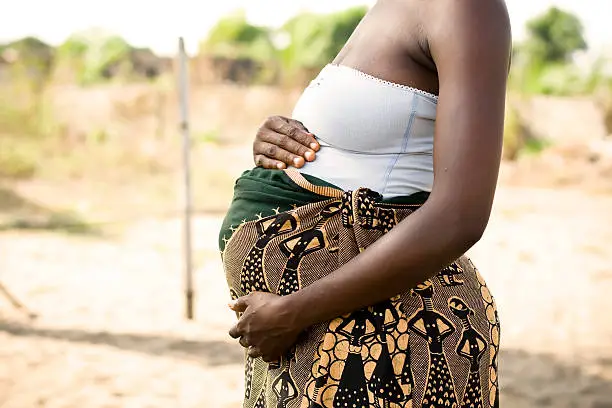
Confirm Your Pregnancy With a Health Provider
Even if a home pregnancy test shows a positive result, your first step is to confirm your pregnancy with a trained nurse, midwife, or doctor at your nearest health facility. A health provider will confirm the pregnancy, estimate your due date based on the first day of your last menstrual period (LMP), and assess your overall health. This first contact with the health system is crucial — it sets the foundation for your entire antenatal care journey.
In Rwanda, antenatal care services are accessible through your Mutuelle de Santé (community health insurance). If you are not yet enrolled, speak to your Community Health Worker (Umujyanama w'ubuzima) who can help connect you with the nearest facility and support your enrolment.
Register for Antenatal Care as Soon as Possible
Rwanda Ministry of Health recommends that every pregnant woman begins antenatal care (ANC) as early as possible — ideally in the first trimester, before 12 weeks of pregnancy. Early registration allows your health provider to assess for any risk factors, start iron and folic acid supplementation, order baseline blood tests, and create a care plan tailored to you.
Do not wait until you feel unwell or notice a problem. Many serious complications in pregnancy — such as high blood pressure, anaemia, and infections — can be present without symptoms. Early ANC detects these problems before they become dangerous.
Start Folic Acid Immediately
Folic acid (folate) is one of the most important nutrients in early pregnancy. It significantly reduces the risk of neural tube defects — serious birth defects affecting the brain and spinal cord — which develop in the very first weeks after conception, often before a woman knows she is pregnant. Rwanda Ministry of Health recommends that all pregnant women take folic acid supplements daily, ideally starting before conception and continuing throughout the first trimester and beyond.
If you have just discovered your pregnancy, start folic acid today and inform your health provider at your first ANC visit. They will confirm your prescription and provide any other supplements you need, including iron.
Connect With Your Community Health Worker (Abajyanama b'ubuzima)
Your Community Health Worker (Umujyanama w'ubuzima) — part of Rwanda's Abajyanama b'ubuzima programme — is a trained community-based health worker who can support you throughout your pregnancy. Inform your CHW as soon as you know you are pregnant. They can help you register at your nearest health facility, remind you of upcoming ANC appointments, and send you care updates through the Ndarinzwe platform.
CHWs are not emergency responders. They provide essential routine support between clinic visits — but for any emergency sign during pregnancy, always go directly to your nearest hospital or health facility without waiting.
Make Important Lifestyle Changes Right Away
From the moment you know you are pregnant, certain changes are essential. Stop drinking alcohol completely — there is no safe amount at any stage of pregnancy. Avoid smoking and reduce exposure to tobacco smoke. Limit caffeine. Inform any doctor or pharmacist that you are pregnant before taking any medication — even medicines available without a prescription.
Eat a varied diet including iron-rich foods (beans, lentils, dark leafy vegetables), protein sources (eggs, groundnuts, dairy), and starchy foods for energy. Drink clean water throughout the day. Sleep under an insecticide-treated bed net every night to protect against malaria.
Warning Signs to Know Even in Early Pregnancy
Even in early pregnancy, certain symptoms require urgent medical attention. Go to your nearest hospital or health facility immediately if you experience heavy vaginal bleeding, severe one-sided abdominal pain (which could indicate an ectopic pregnancy — a pregnancy outside the uterus that is a medical emergency), or fainting.
An ectopic pregnancy cannot be treated at home and cannot be managed by your CHW. It requires emergency surgery. Do not wait. Go directly to hospital.
Related Articles
Your Pregnancy Journey: Week by Week
A complete guide to what happens in your body and your baby's development across all 40 weeks of pregnancy — trimester by trimester.
Read articles
What Is Happening to Your Baby This Week?
A stage-by-stage guide to your baby's development — from the first cell divisions of conception through to a full-term, birth-ready baby.
Read articles
What Changes Should You Expect in Your Body This Week?
A trimester-by-trimester guide to normal body changes during pregnancy — and clear warning signs that require immediate hospital attendance.
Read articles